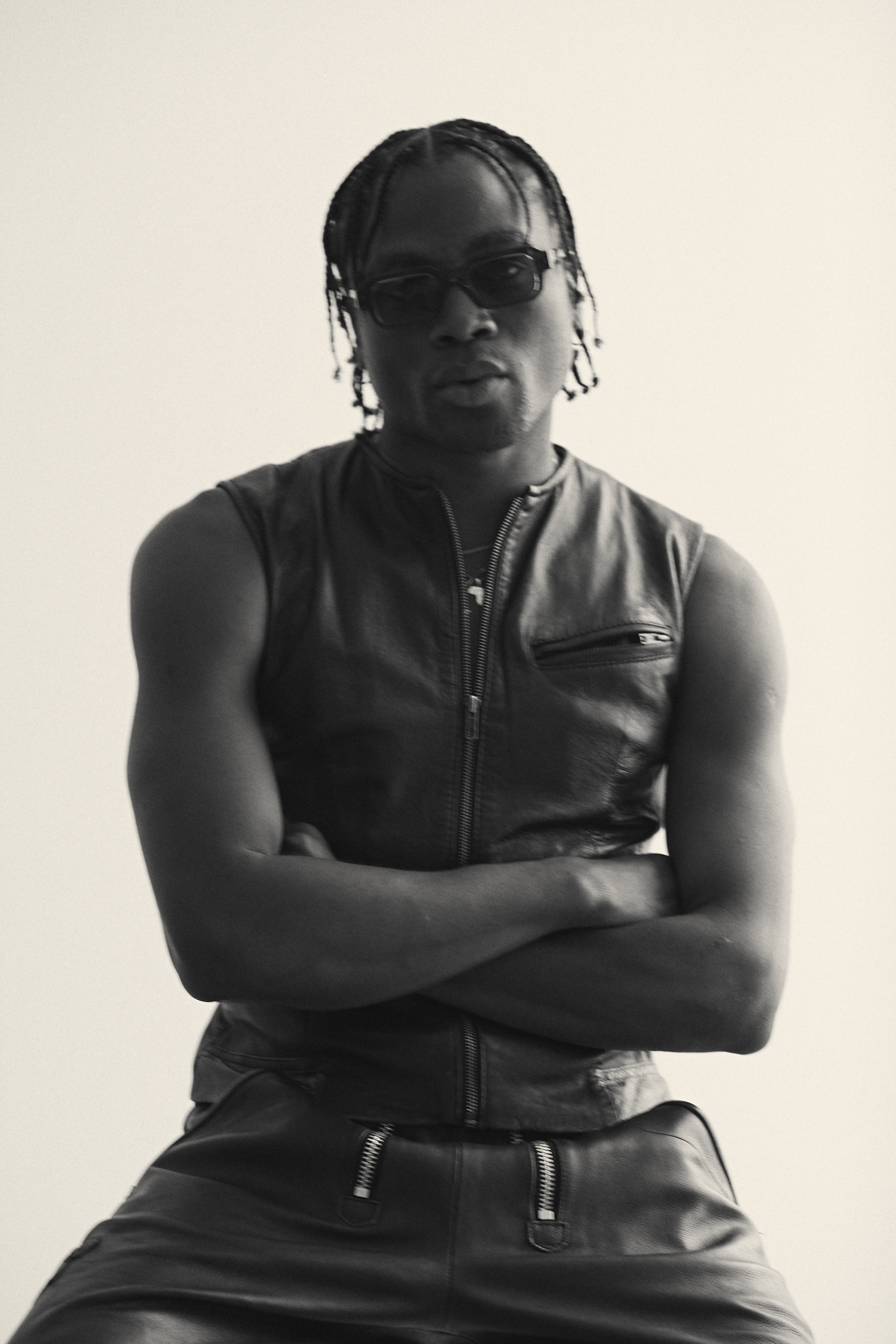
THE MOST WELCOMING MAN I KNOW; MAKING INVITING MUSIC
An interview with Chris Collins
I interviewed THE DJ Chris Collins back in the end of 2024, when I first finished coding my website. Now it's 2026, and I'm finally posting it. . . I know that's quite a long turnaround time; life carried me away from a few things and further out of Spain [I'll leave all those details for another article]. In that long gap, Chris has become an even more incredible DJ, producing his own music and traveling to events worldwide. We got a brief chance to reconnect in summer 2025 in Madrid, I became a temporary video vixen (though some may say I was simply a background extra) for his music video, SISTEMAS !! The energy was beautiful, and the Chris I knew continued to welcome any and everyone with so much love.
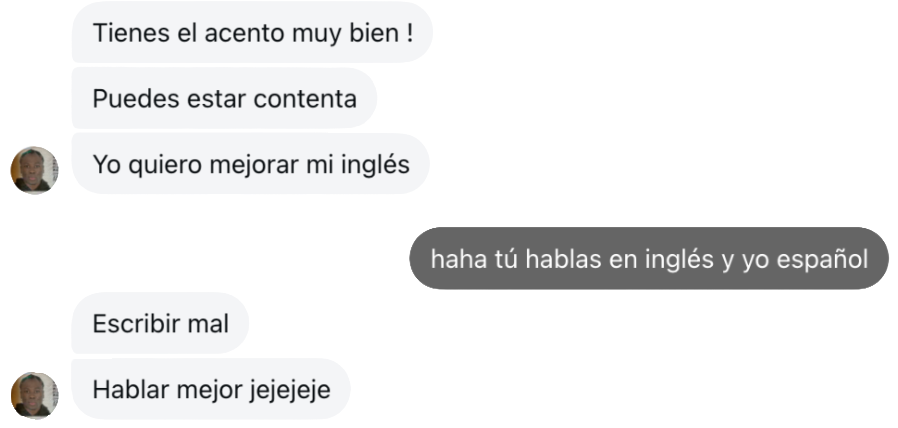
I first met Chris over a video call on Instagram; neither of us was very good at understanding each other at the time. My Spanish was barely passing, and Chris's English was not the most conversational. We laughed a lot awkwardly, but I was excited to have more friends outside of my university circle. He never once made fun of my accent, and we found ways of Spanglish to be our ideal mode of communication. We had a plan to meet at Costa Social Club with each of our friend groups. I next saw Chris at his second DJ set for the newly launched club Zsongo. He put me on the guest list, and I think Afrobeats shook my soul in a way that no club event had before. As the years went on, Chris and I remained friends, Spanglish never failing us. I became somewhat of a groupie behind his decks at Zsongo, but we also had deep conversations and celebrated birthdays together. I'd always greet him with a “DJ CREES COLLINSSSSS” and he to me “KAI-JAH CAMPBELLLLL”. When I asked Chris for the favor of an interview, he was happy to help out and was still just preparing to produce music. Now his socials have quadrupled, and his music is out with global fans. Continue reading to learn more about the most welcoming man I know, his experiences in Spain and how he continues to pursue making inviting music through the noise.
Could you tell me a bit about yourself?
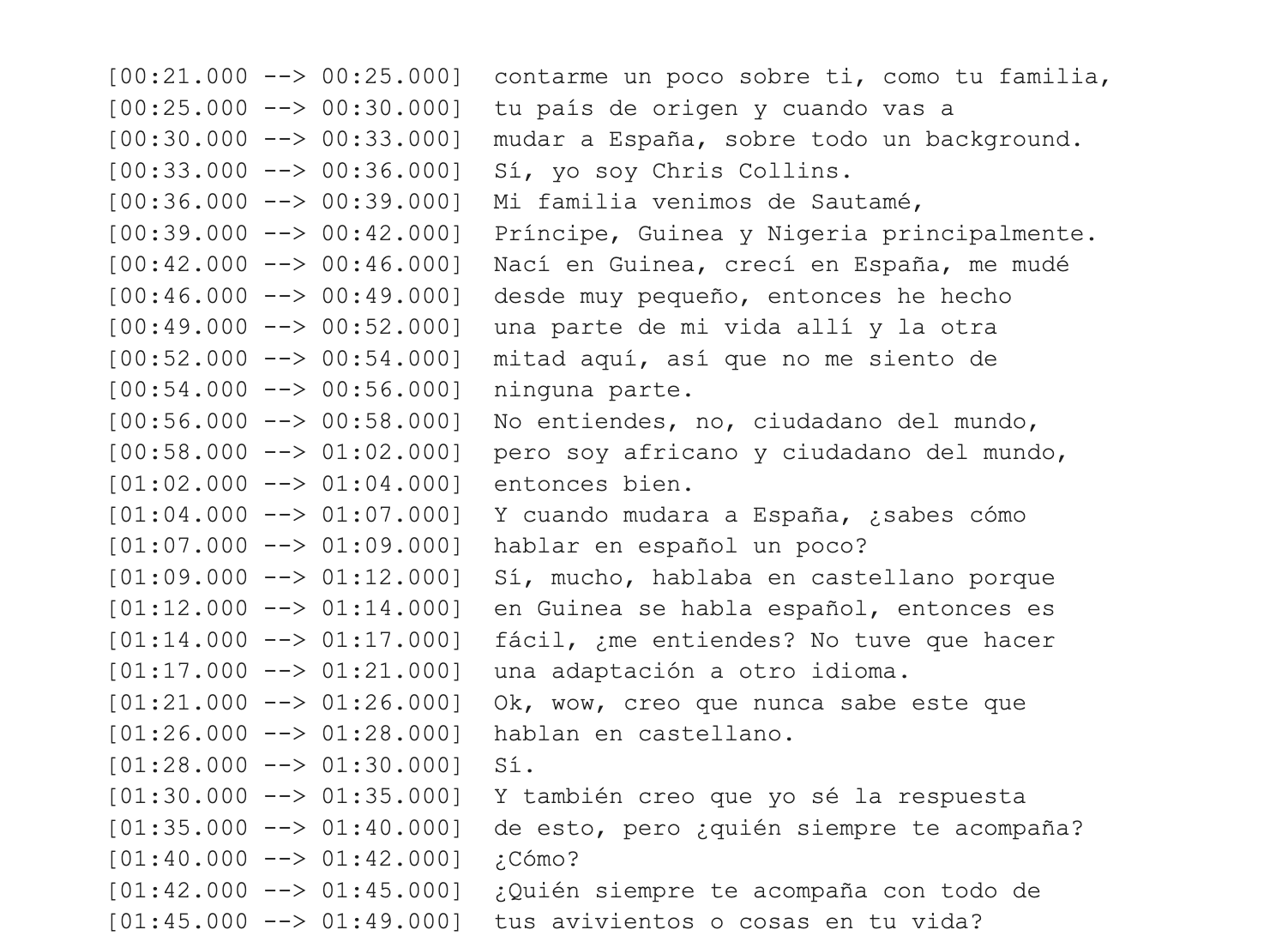
My name is Chris Collins, my family came from São Tomé and Príncipe, Guinea y Nigeria. I was born in Guinea and grew up in Spain. I moved to Spain at a very young age. In Guinea, they already spoke Castellano, I didn't have to adapt to another language. So, a part of my life is there and the other part here, truthfully, I don't feel like I'm singularly from either one.
I like to say I am a citizen of the world. I am as much African as I am Spanish.
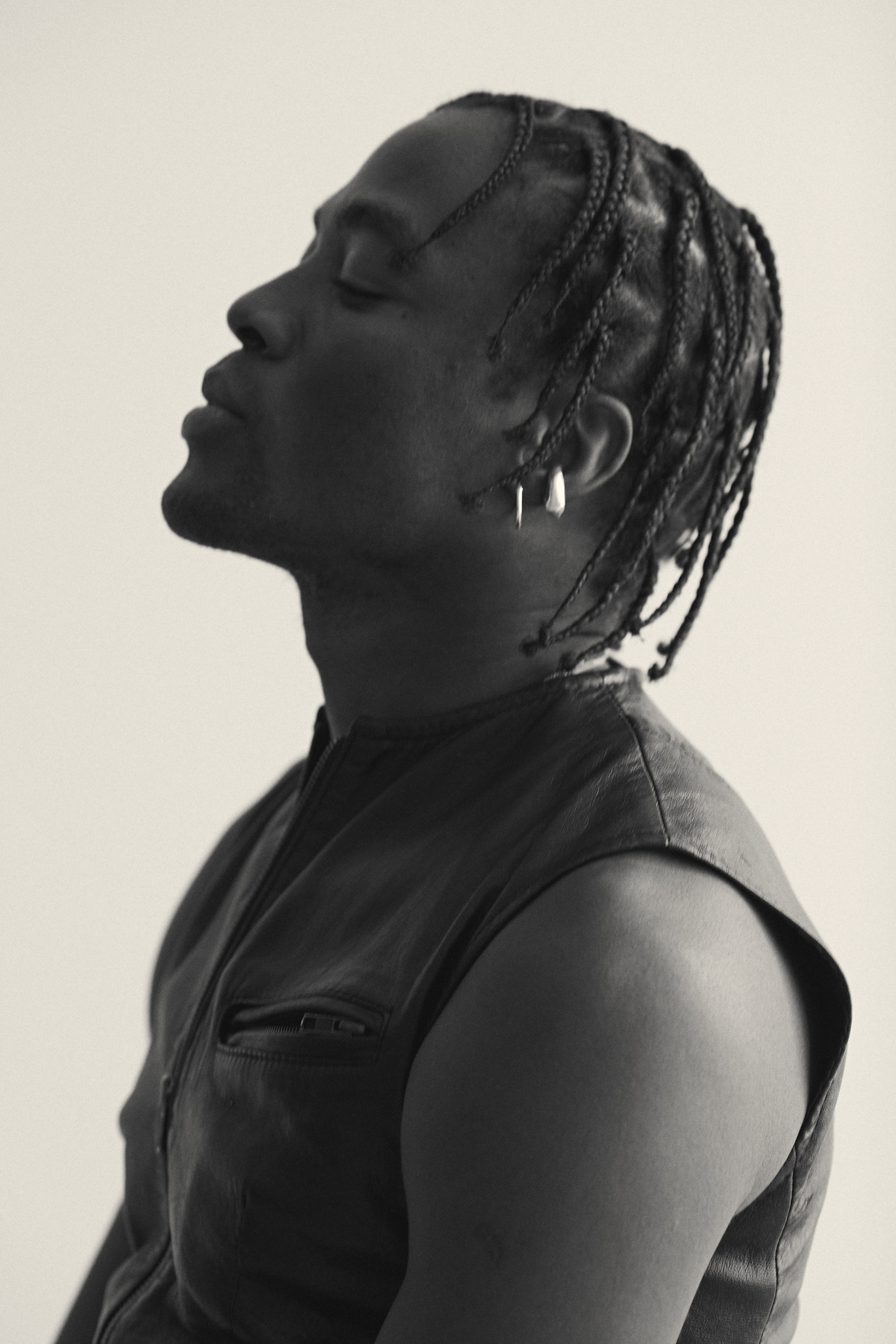
From young to now, who are the people closest to you?
My close friends who saw me start have been with me and also God. He is always present in all the steps I take and so on. My cousin Andy is also someone you'll often see me with.
Favorite song [In 2024?]
The beat is like Afro-Romantic, it's like very sexy, it's too perfect to chill at home, you know? That's why I like it a lot.
When I asked him again in 2026 he said....
When did you begin to fall in love with music?
I think since I was little, honestly. Because in my house and in homes where there are struggles, you know — one thing we always have is music. Music all day long. You don't even notice it happening. Your mom puts music on Saturday while she's cleaning, then on Sundays it's softer, more relaxed… the classics, ‘7 Days,’ R&B, you know what I mean? And then when you get older, you realize: this goes way back. So music has always been with me, my whole life, always.
Did you always want to DJ?
I would say that it came to me in the pandemic, in the COVID period. But I didn't take the step two years later. I had to find myself, to discover what I liked, what I could do. I had to talk to myself, “I could do this”, “I trust my musical taste”, “I'm going to do well as a DJ”. I had known DJs who were already working in Madrid, and I told them I was interested in learning. Someone came to my house, taught me everything from scratch.
Did you feel it naturally or did you have to practice every day?Look, natural is the knowledge of music. That's very important, entiendes? But you need practice. To be there, to practice, to try things, to be yourself, to make your own style.
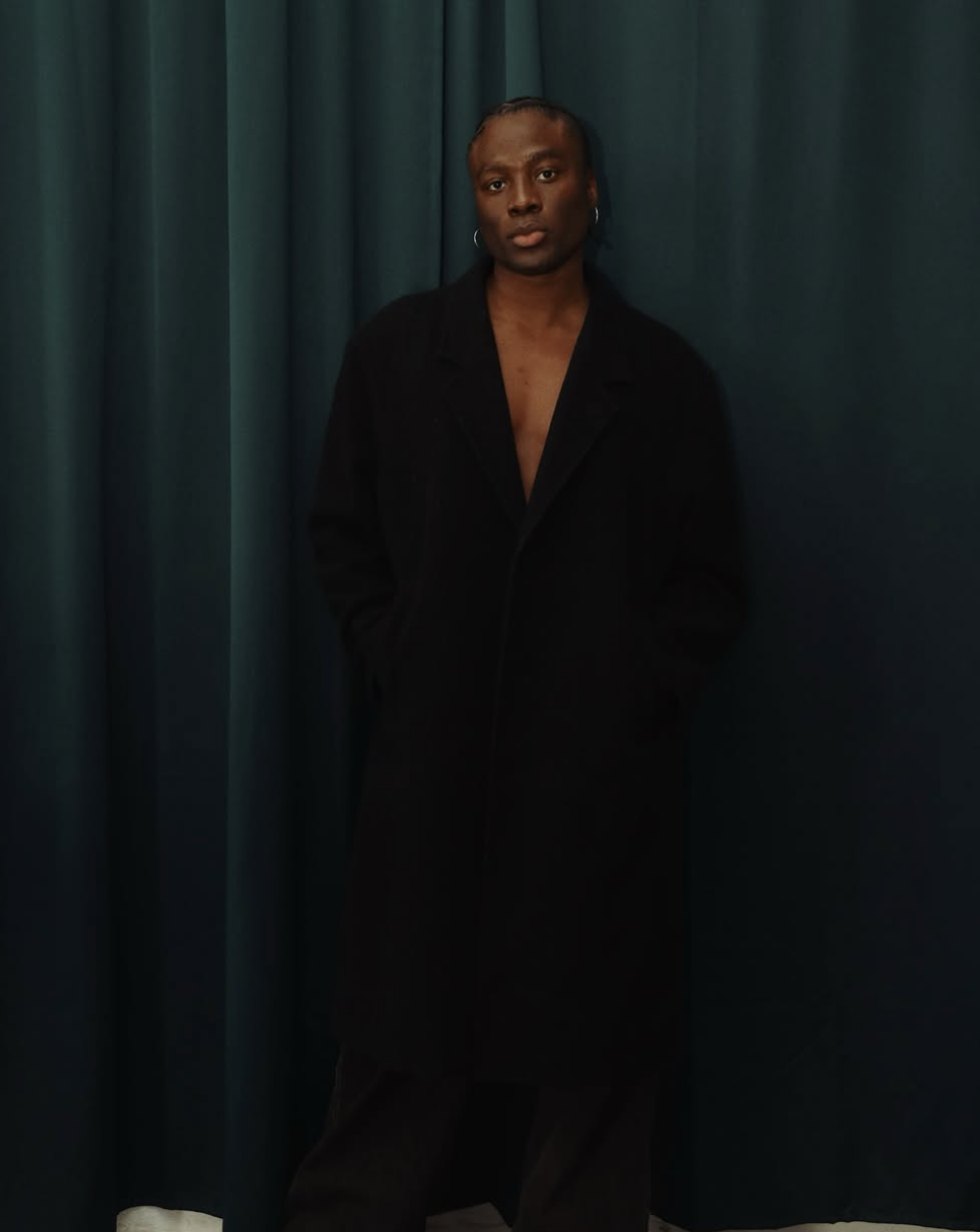
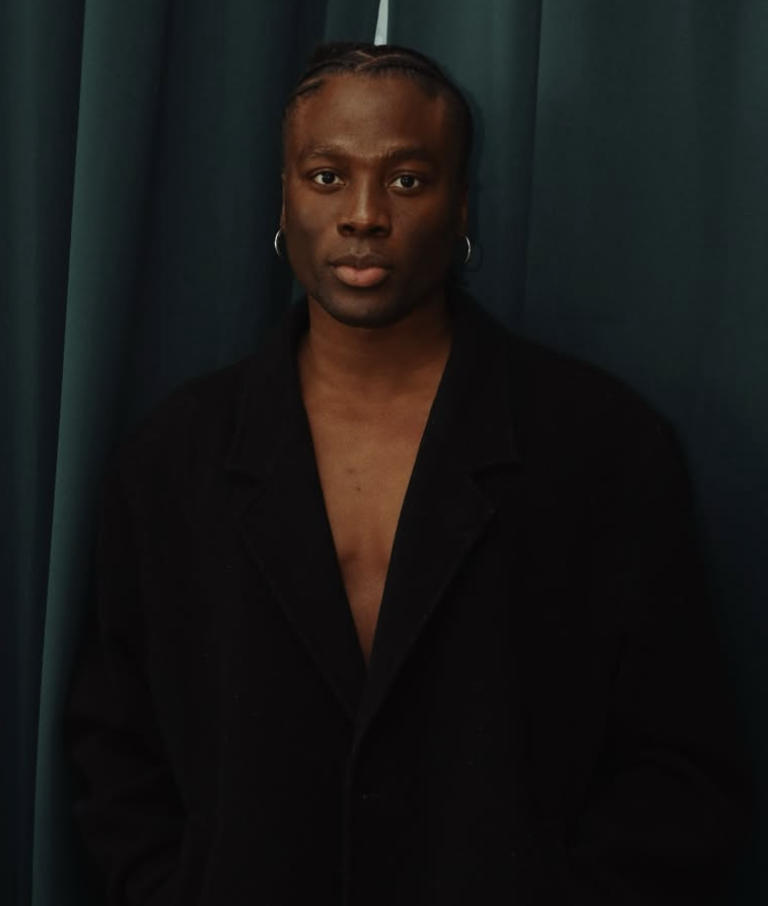
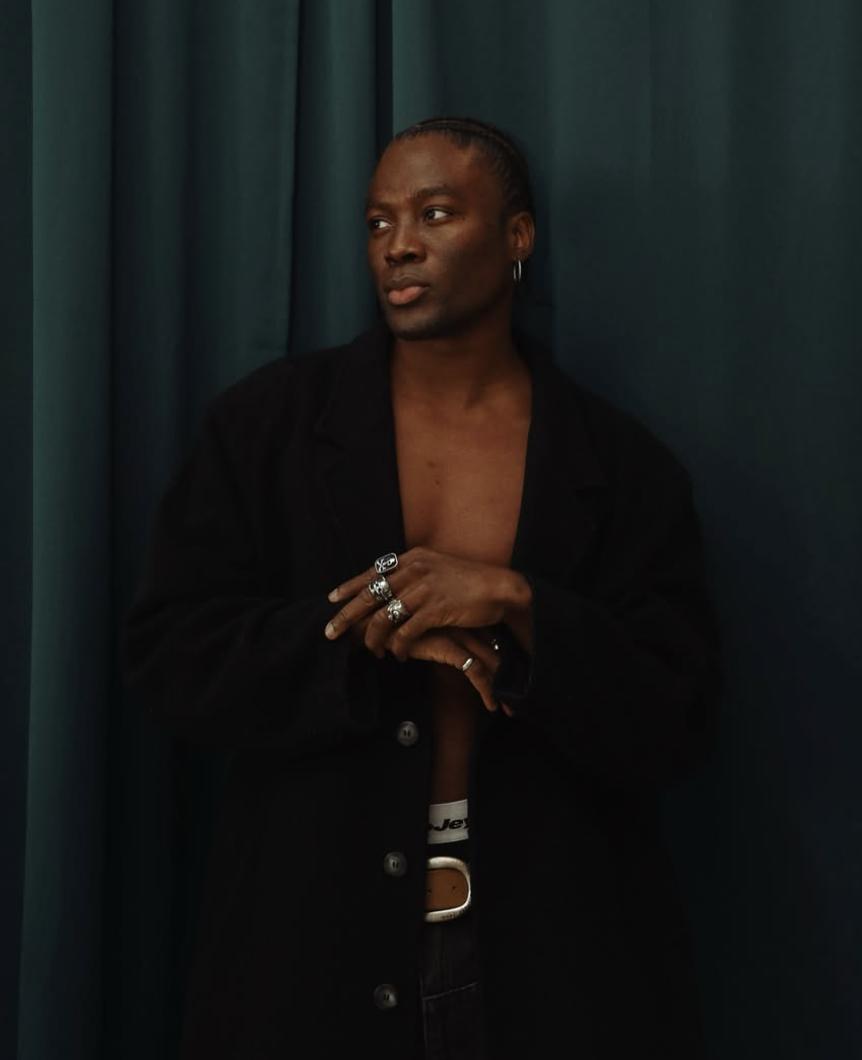
Was your style always Afro & Hip Hop music?
No, no, I practiced a lot with reggaeton, R&B, and hip-hop. When you start at the bottom, you start with the pubs, small bars, and in those places you can't choose — reggaeton, sabes? And it was good for me to learn that way. Do you want to experiment with other genres?Maybe with Afro House, but only Afro House. I'm an Afro Beat DJ, but I can do a reggaeton set, because reggaeton is part of my background.
Hearing you play American Hip-hop, do you find that any of it reflects your life?
Not much, because when I grew up I grew up with my sisters, and hip hop is a lot of rap, so it wasn't really the vibe. I listen to R&B, more light, more sexy — think Bryson Tiller, and PartyNextDoor.
Would you like to produce your own music or have career plans in the future?
Wow, good question, I'm in it, I'm in it. In a few years I will release my own song with artists like DJ Khaled one day. You'll see Chris Collins with his singers. Soon, soon, soon, soon! [and he did not lie, Amano, Omaga and Sistemas all got released within the past two years.]
What do you think of the state of Afrobeats in Spain?
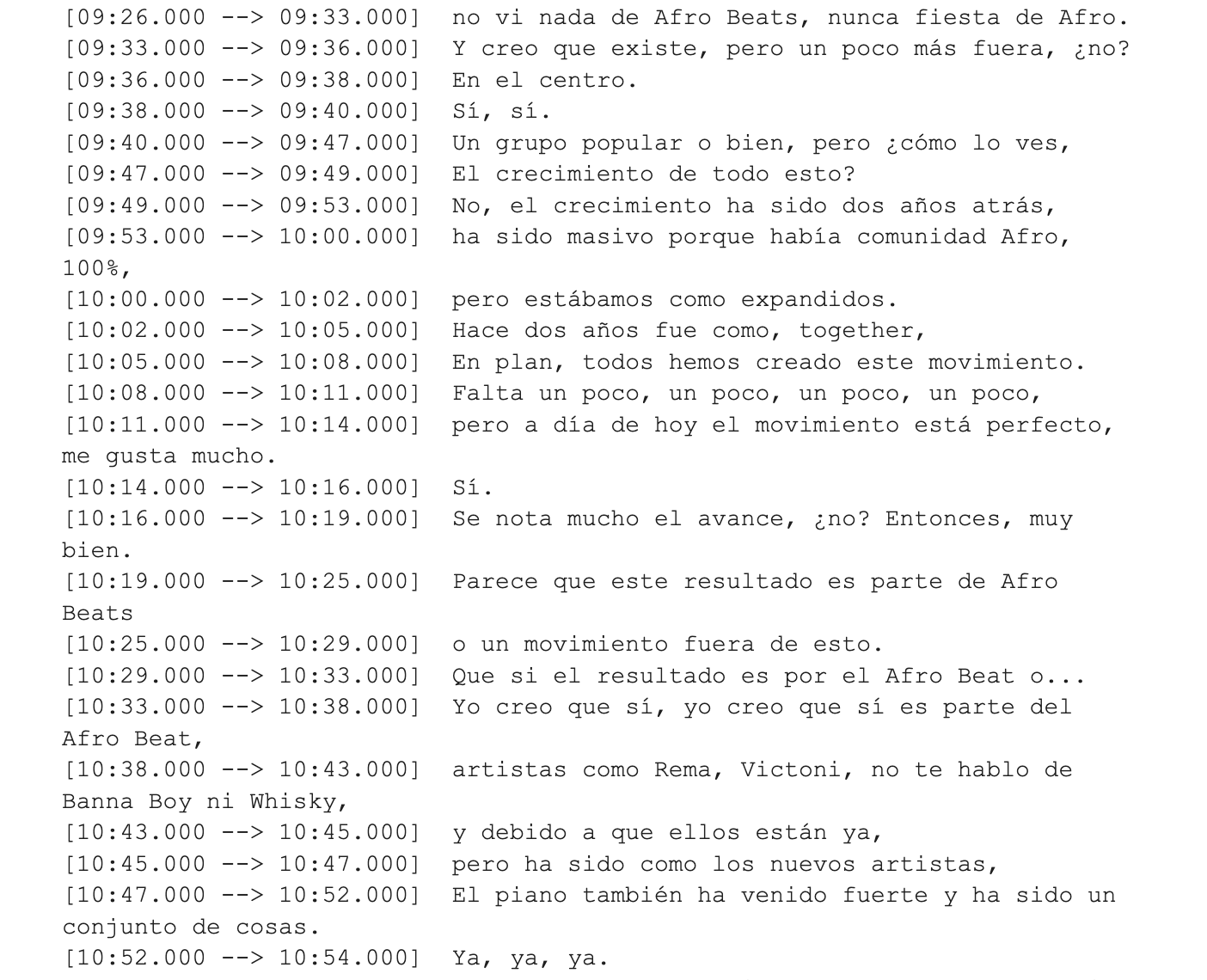
The growth has really started two years ago, but it has been massive. There was an Afro community, 100%, but it was very scattered. Two years ago it was like, together, we have all created this movement. Today the movement is perfect, I like it a lot. You can see the progress.
Do you think the shift came from Afro Beats or a movement outside of this? I think definitely part of it is directly Afro Beats artists like Rema, Victony have blown up the scene. Amapiano has also become strong. Even beauty standards have changed. It's cool, right?
ORIGINAL SPANISH INTERVIEW
Diving into this a little more, the changes in the Spanish people and the attitude with the Afro people in Spain, what is it that you're seeing?
For me in particular it's honestly complicated to see because I'm from Móstoles, here there is more of a large black community. You could say the open-mindedness of the community in Centro has expanded. There's this idea that Afro people are now a little ‘cooler’ and more interesting and more fun, but last year the other people of Madrid didn't have this idea. I don't know why, it's sad. The Afro parties really contributed to this change. Its like, yes, people always knew Africa is over there and we are here, but now when you are walking on the streets and listening to Afro music, you can experience directly some of the Afro culture. I see a lot that when people are in the hip hop scene, it comes out a little more fake. “I want to be cool”, but afrobeats, you don't feel that same undertone.
When I arrived in Madrid, I didn't see this community that exists now. There are good parts and bad parts too, and there are questions to investigate, like the spaces for the black bodies, and how it will continue to change. They are a little more uncomfortable questions, but I think it's important for us to talk about these things, too.
Very good, very good. I really like that you are an activist. But, do you think that mentality, that character of activism, when did it arise? In Madrid?
Kaija replies: A little before Madrid. But I love having these conversations with black & brown people regarding Spain, because it's not the same clear-cut debate like in the United States. In the US you often find the distinction to be racist or non-racist, black or white. But in places like Spain, the lines are a little more blurry. Two years ago I was in the supermarket, and there was a black man waiting to help with bags, and an abuela says to him, “black[negro], come”. This kind of thing is very normal in Spain, but in the United States, we accept that language as clear racism. No one in that grocery store raised an eyebrow because it's built deep into the culture.
Thank you, I agree, racism in Spain exists but it's harder to talk about because it doesn't always look obvious to the people here.
Everything you're doing as a DJ in Zsongo with all your colleagues, I think it's very good and it truly made a change in Madrid.
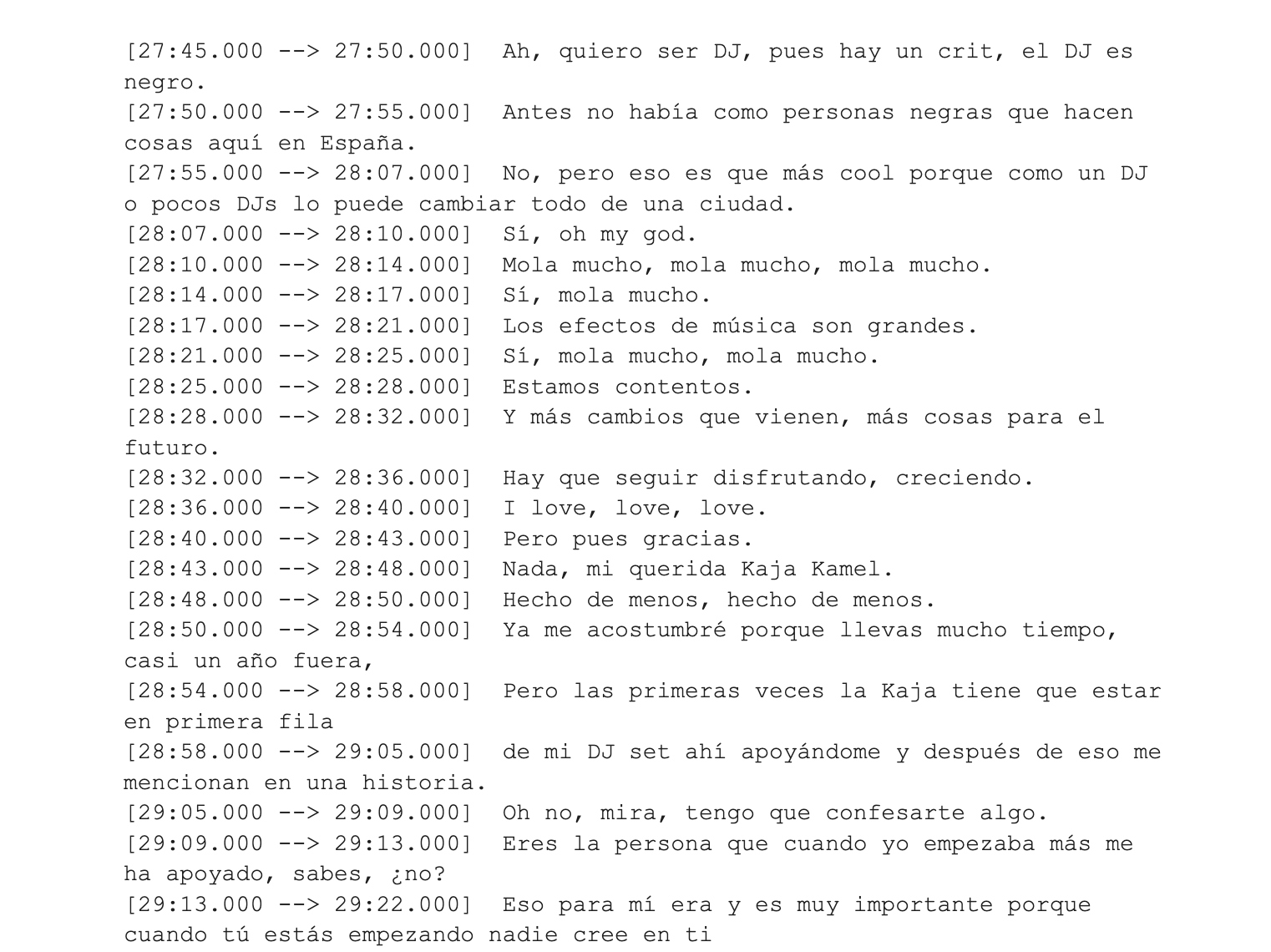
It shows a lot, right? Yes, and I'm happy to see and experience this growth in real time. From the first Zsongo you've been there, Zsongo 1, Zsongo 2, Zsongo 3. Look, my life changed after I went to Africa, to see my mother, my grandmother. When I came back, all the doors opened for me. People don't believe in you while you start from scratch. It's very important for the movement, for future generations, for the little kids to have a reference Like, “oh, I want to be a DJ“, and it's critical for them to see the DJ is black, before there were few black people who did things people could see clearly here in Spain.
It's crazy because what you guys have shown is that a few DJs can technically change everything in a city.
Yes, and it's very cool. The effects of music are great and more changes will come. We have to continue enjoying, growing.
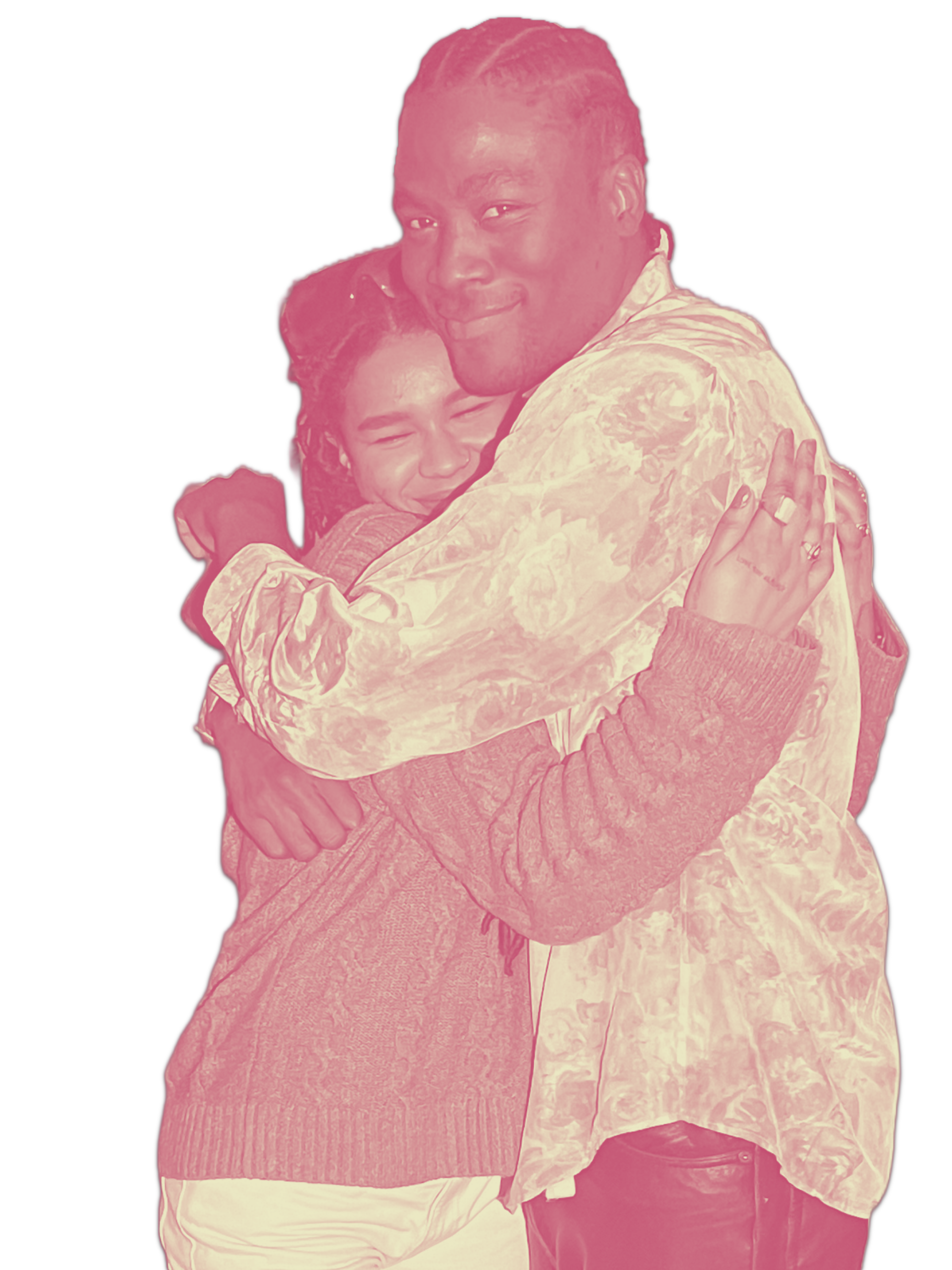
Thank you so much Chris, I'm really glad we got to discuss these topics.
Nada, Kaija, gracias a ti.